Why loudness matters
After mixing, Mastering sets final balance, transients and spectrum for distribution. Our rate is €95 per song or €340 for an EP up to four tracks in one session. Attended listening is available by appointment within Mon–Fri 10–21, Sat 11–17.
Streaming services adjust playback volume for a steady experience. Mastering too loud adds distortion without benefit; too quiet can leave your track lower in the playlist after normalisation.
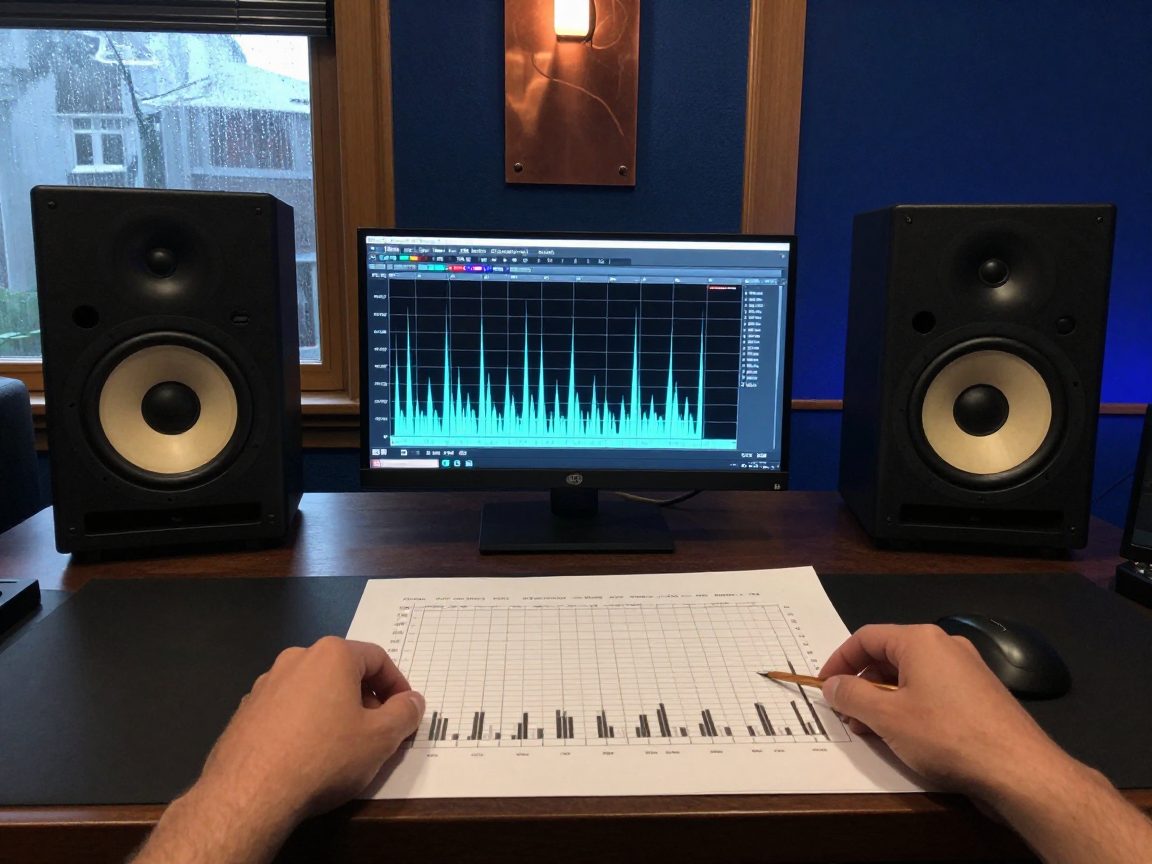
Our mastering suite in Westerpark targets neutral final checks, not the loudest bar playback — your mix is not “wrong” if it feels softer at home than an older CD.
Common platform targets
| Channel | Target (LUFS, guide) |
|---|---|
| Spotify, Apple Music, YouTube Music | Around −14 LUFS integrated |
| Download / Bandcamp (no normalisation) | Artistic choice, often more dynamic |
| Club / DJ promo | Check peak and sub; sometimes slightly louder with control |
Algorithms change; we measure with calibrated meters and document values in the report delivered with your master.
True peak and clipping
Inter-sample peaks can audibly crackle after lossy encoding (AAC, Ogg). We keep true peak safely below 0 dBTP, often near −1 dBTP, so conversion to streaming codecs stays clean.
If your mix is already brickwall-limited, mastering has less room. Deliver a mix without a final limiter when you can; see export stems for mix if you need to rebuild.
Dynamics versus loudness wars
Playlist culture rewards readable dynamics: choruses can push forward, verses breathe. We avoid flattening everything just to chase a lower LUFS number — normalisation compensates anyway.
We compare on several speakers and headphones; the suite is built for controlled final listening. Masters leave with a level report after A/B checks against a reference you supply or from earlier songs in the same project.
Formats you receive
- 24-bit WAV for archive and distributor upload
- 16-bit WAV or FLAC on request for older aggregators
- Instrumental or TV mix only by separate agreement
- Clear file naming with title and version
Vinyl needs extra care for bass mono and side length; discuss that before mastering so EQ and limiting match the format.
EP sessions and consistency
The EP rate €340 covers up to four songs in one continuous session — useful for consistent loudness across a release. Singles months apart master at €95 each; we can reference earlier masters if you pass the project name.
Revisions follow the same 3 rounds as mixing, with specific notes (for example “less sibilance at 2:40”).
What to check before delivery
Listen to your mix on monitors and earbuds. Note clicks from edits and rumble below 40 Hz. Avoid sending mp3 as source unless it is the only source — quality loss stacks with every conversion.
Metadata (ISRC, credits) sits with your distributor; mastering does not change rights. General terms are in terms and conditions. When unsure, send both an instrumental and the full mix so we do not miss essential elements.
From master to release
Upload the delivered WAV to your distributor; do not run a second online “mastering” tool on top. After go-live, spot-check on two platforms that volume matches your reference track.
Planning new recording? Budget tracking, mix and master separately — plan session budget helps with step one. Scheduling questions: contact or 020 737 4829.